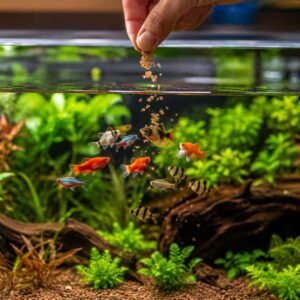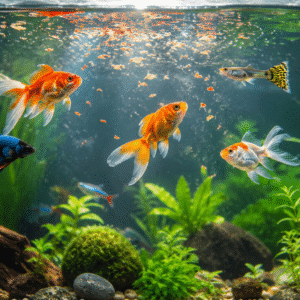
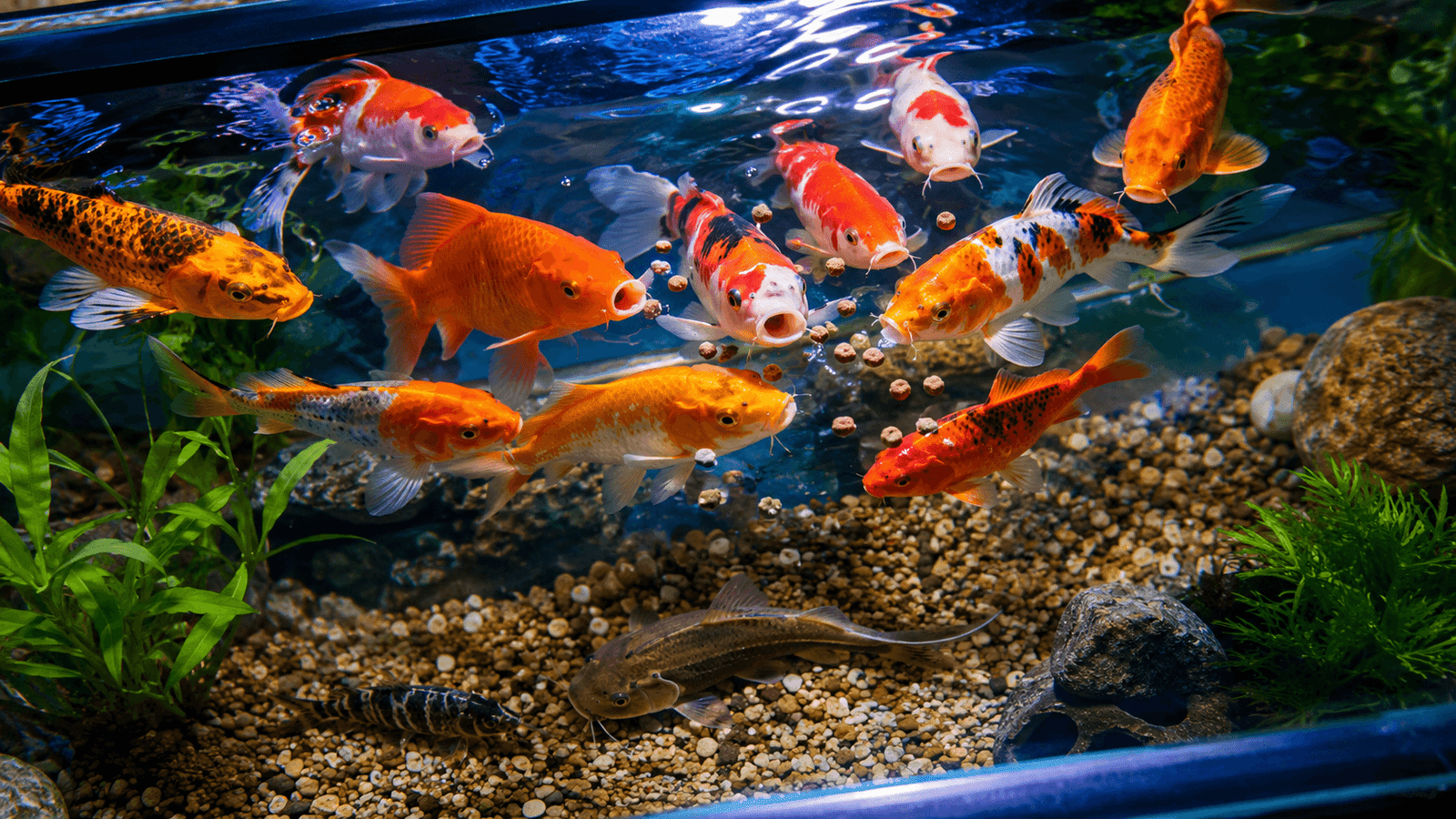
Stand in front of the fish food aisle for more than a minute and you’ll probably start second guessing yourself. Floating or sinking? Does it even matter? A lot of Pakistani fishkeepers ask this exact question, and getting it wrong isn’t just a minor slip up, it can leave certain fish going hungry while others overeat. Let’s clear it up properly.
 Floating Fish Food: What It Is and Who It’s For
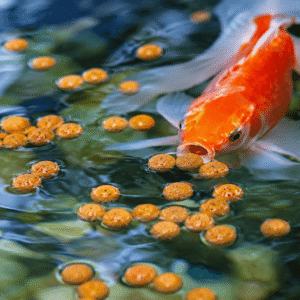
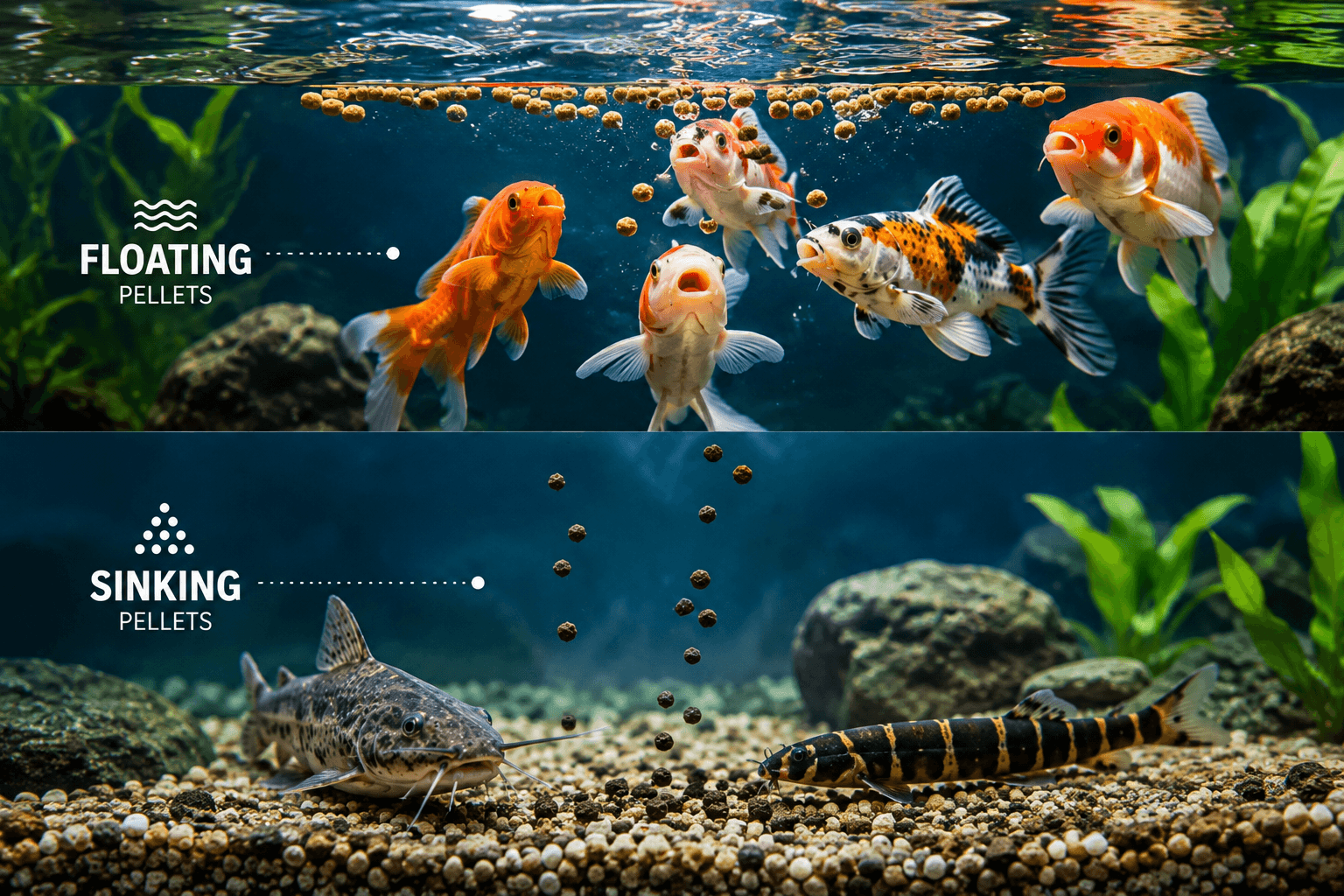
Floating pellets are made through a process called extrusion. Basically, the ingredients get cooked under high pressure and pushed through a small opening, which traps tiny air pockets inside each pellet. That trapped air is what keeps the food bobbing on the surface for a good while before it eventually softens and drifts down.
This works great for fish that feed near the top of the tank, like goldfish, koi, gouramis, mollies, and a lot of cichlids. There’s also a practical bonus here: since the food stays visible, you get to actually watch your fish eat. That’s a small thing, but it makes it way easier to tell if they’re eating normally or if something’s off with their appetite.
If you’ve been searching for the best fish food for goldfish in Pakistan, floating food is usually your answer, since goldfish spend most of their time near the surface or mid water. A couple of solid local picks are the Aqua V Floating Fish Food, which suits most community tanks, and the ROSHD Fish Food Floating Type, made specifically with goldfish, cichlids, and tropical fish in mind. And if your koi or goldfish could use a bit more color, the Topka Koi and Goldy Fish Food and Topka Color Koi Fish Food are both floating formulas built around that, so if you’re after color enhancing fish food in Pakistan, start there.
Sinking Fish Food: What It Is and Who It’s For
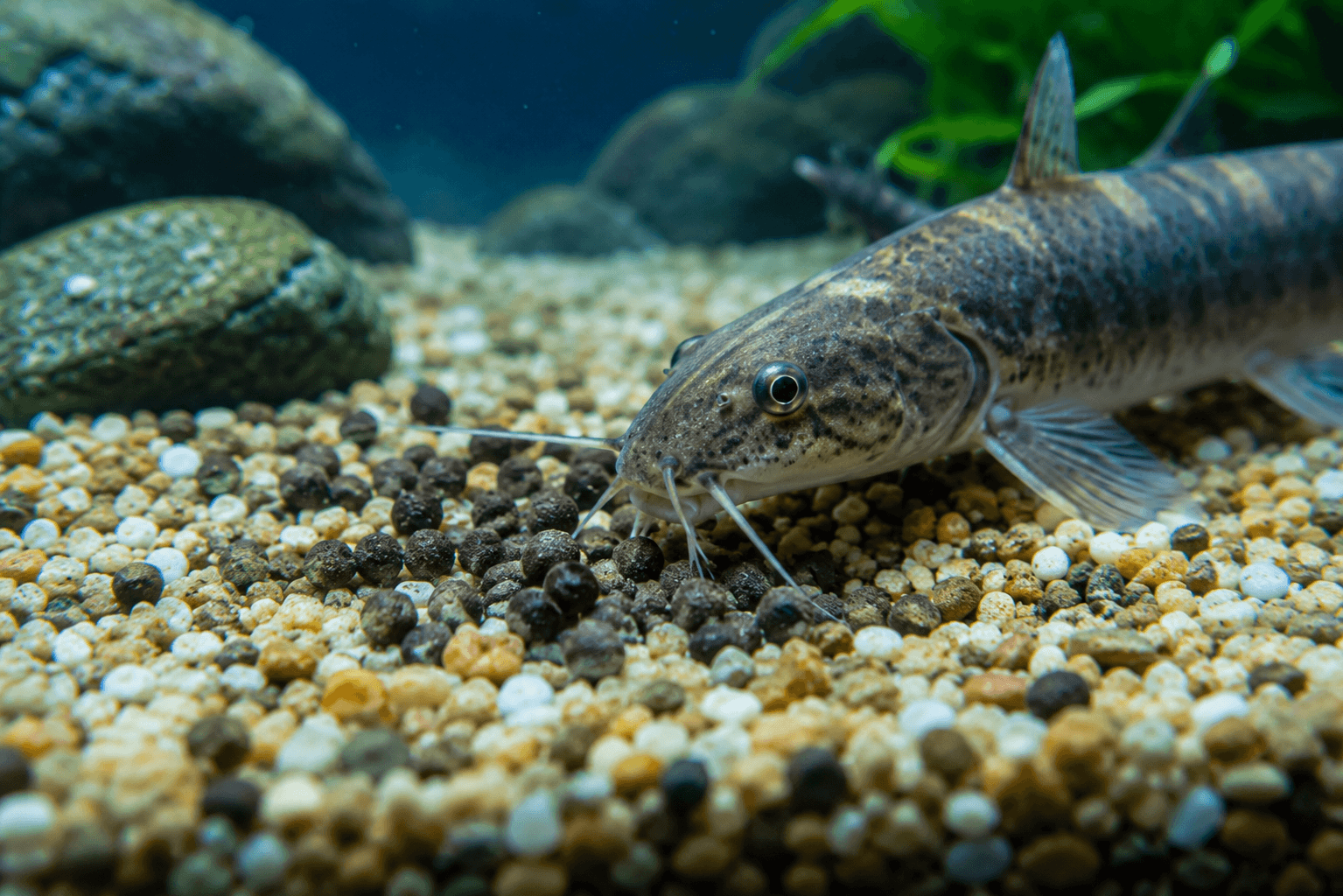
Sinking food works the opposite way. It’s made through mechanical compression instead of extrusion, so it comes out denser and heavier, no air pockets to keep it afloat. It drops through the water and settles near the gravel, which is exactly where certain fish want it.
Bottom dwellers like corydoras, loaches, and plecos have mouths built for scavenging along the substrate. If you’re only feeding floating food in a tank that has bottom feeders too, there’s a good chance they’re not getting enough, because the faster surface fish usually clean it out before it ever sinks. This is actually one of the more common issues people run into, which is why sinking fish food for bottom feeders in Pakistan has become a search a lot of local hobbyists are typing in.
For smaller bottom feeders that need finer particles, the Longxincai Crushed Sinking Fish Food works well. And if you want something budget friendly that also suits small bottom dwelling and community fish, keep the Mini Aquarium Fish Food on hand too.
Floating vs Sinking at a Glance
| Feature | Floating Food | Sinking Food |
|---|---|---|
| Best for | Surface feeders (goldfish, koi, gouramis) | Bottom feeders (catfish, loaches, plecos) |
| Feeding behavior | Fish come up to the surface | Fish feed down at the bottom |
| Monitoring | Easy to see how much gets eaten | Harder to keep track of |
| Water quality risk | Lower, if leftovers are removed quickly | Higher, uneaten food can decay unnoticed |
| How it’s made | Extruded, with air pockets | Compressed, denser texture |
Does One Actually Feed Your Fish Better?
Not really, and this surprises a lot of people. There’s generally no major nutritional difference between floating and sinking food, it mostly comes down to which fish species you’re feeding and where they naturally look for food. The real question isn’t “which one is healthier,” it’s “which one matches how my fish actually eats.” That’s true for guppies and bettas too. Fish food for guppies and bettas in Pakistan usually works best as a slow sinking or floating flake, since both species feed at the surface and just below it rather than at the bottom.
Got a Mixed Tank? Here’s What to Do
Most home aquariums aren’t one species tanks. Maybe you’ve got goldfish up top and a couple of loaches or catfish doing cleanup duty down below. If that sounds like your setup, feed both types, but not at the same time in the same spot. Drop the floating food in first so your surface fish get their fill, then add a bit of sinking food a few minutes later so it reaches the bottom without getting stolen along the way. Just don’t overdo either one, since leftover food from both types can mess with your water quality if it’s not eaten.
So, How Much Should You Actually Feed Daily?
This trips up a lot of new fishkeepers, and honestly some experienced ones too. Overfeeding is way more common than underfeeding, and it happens with both floating and sinking food. A few rules that make this easier when it comes to how much fish food to feed daily:
- Only feed what your fish can finish in about 2 to 3 minutes
- Stick to once or twice a day, not constant grazing
- Scoop out leftover floating food after a few minutes so it doesn’t foul the water
- Go easy on sinking food too, since it builds up on the substrate fast if you overdo it
If you keep noticing leftover pellets, whether floating on top or piling up at the bottom, that’s your sign to cut back, no matter which type you’re using.
What About Arowana or Bigger Predatory Fish?
Bigger predatory species change the equation a bit. If you’ve been looking into the best food for arowana fish in Pakistan, it helps to know that arowanas are top feeders by nature. They hunt near the surface, so floating sticks or pellets with a good protein punch usually work far better than sinking formulas meant for bottom dwellers.
Quick Buying Guide
Still not sure what to grab? Here’s the short version:
- Goldfish, koi, or a general community tank: go floating, try the Aqua V Floating Fish Food or ROSHD Fish Food Floating Type
- Want brighter colors on your koi or goldfish: the Topka Koi and Goldy Fish Food or Topka Color Koi Fish Food are made for that
- Catfish, loaches, or plecos: go sinking, the Longxincai Crushed Sinking Fish Food or Mini Aquarium Fish Food will do the job
And if you’re comparing floating fish food price in Pakistan across different brands before you buy, our Fish Food and Fish Flakes categories have the full range so you can find something that fits your fish and your budget.
The Bottom Line
There’s no universally better choice here, floating and sinking food just serve different purposes. Once you know how and where your fish actually eat, the decision pretty much makes itself. Match the food to their feeding style, don’t overfeed, and keep an eye on your water quality, and your tank will be in good shape.